Where Art Meets Precision
Oculoplastic Surgery by Dr. Anna Barinova
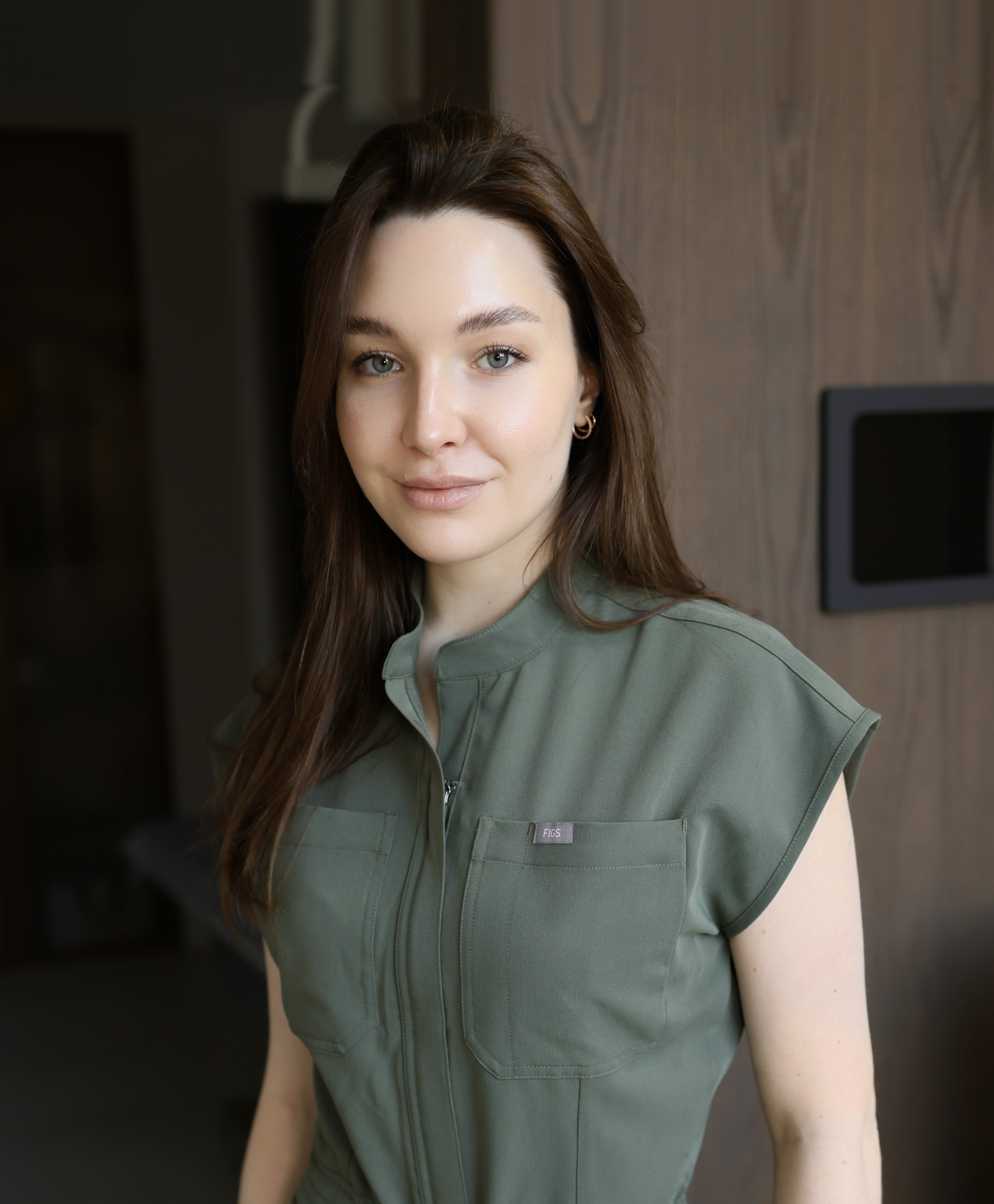
Clinic founder
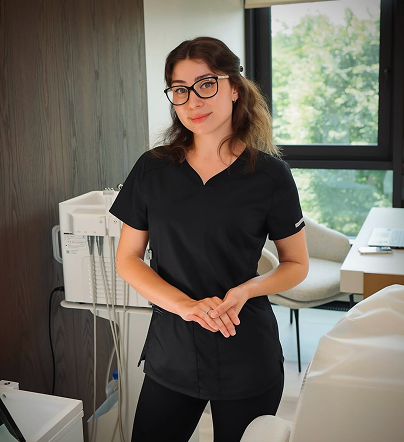
Anna Barinova
Anna Aleksandrovna Barynova is an ophthalmic surgeon, plastic surgeon, candidate of medical sciences with more than 20 years of practical experience.
She graduated from Vinnytsia National Medical University named after WE. Pirohova with honors, completed internship and residency in ophthalmology. He constantly improves his qualifications in Ukraine and abroad.
Author of 3 patents and more than 40 scientific publications. He specializes in surgery of the anterior segment of the eye, correction of ptosis, reconstructive and aesthetic blepharoplasty.


Our services
The combination of medical accuracy, aesthetic approach and innovative technologies allows us to take care of both the health of the eyes and the natural beauty and harmony of the face.
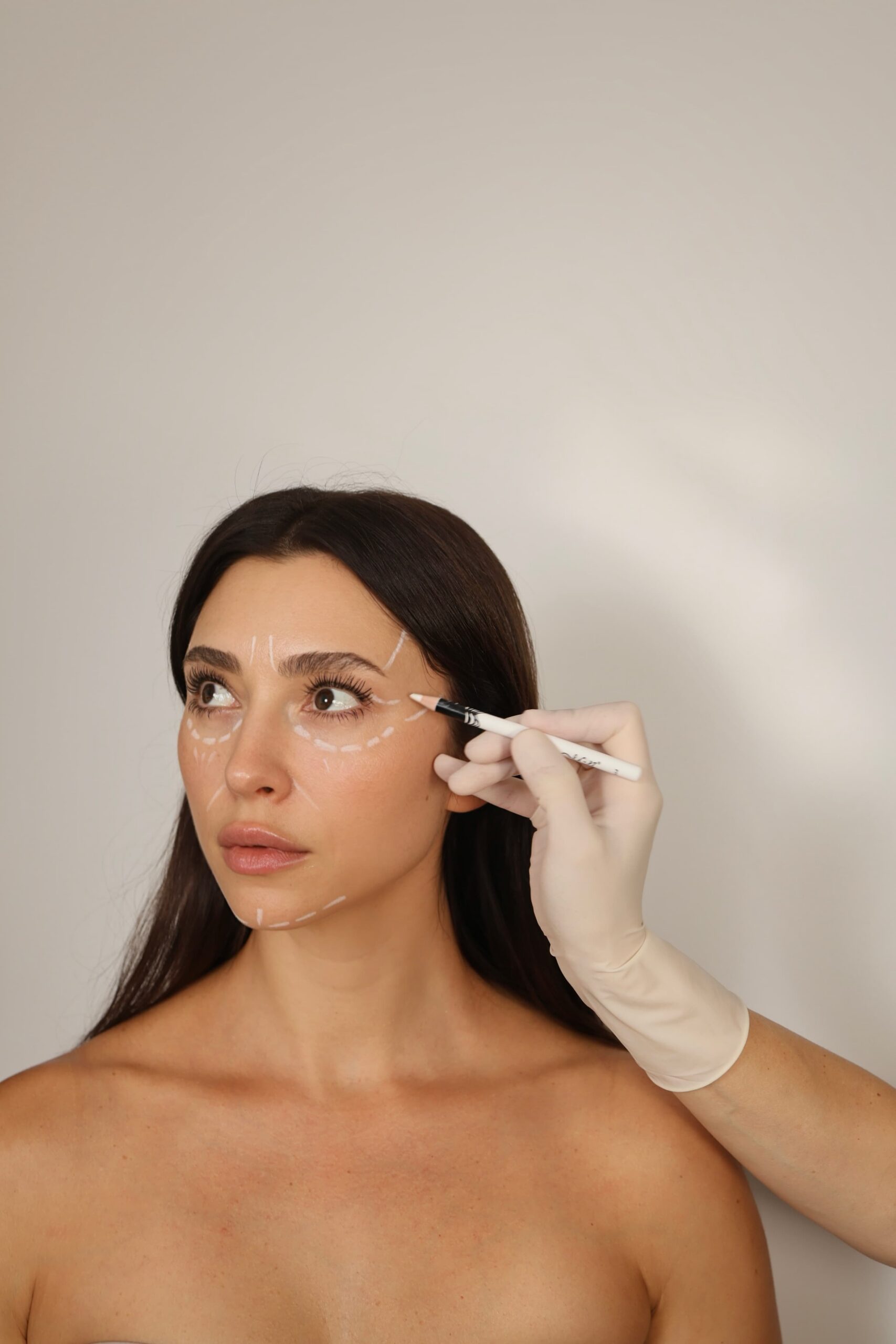

Professional ophthalmology and delicate eye surgery
We are a clinic specializing in modern methods of diagnosis and treatment of eye diseases, as well as oculoplastic and aesthetic surgery. Combining medical precision and new generation technologies, we help restore vision health and natural expressiveness of the gaze.
About usFeel the atmosphere of the clinic
A place where professionalism is combined with comfort, trust and attentiveness to each patient.
-
15+
Years of experience
-
100%
Satisfied patients
-
3000+
Cosmetic procedures

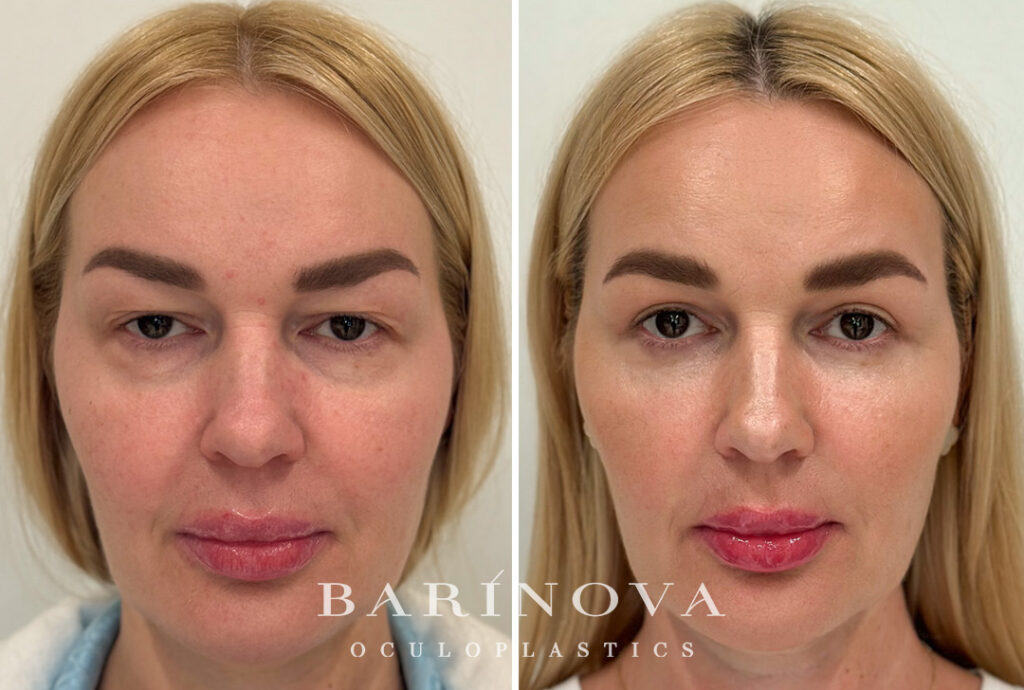
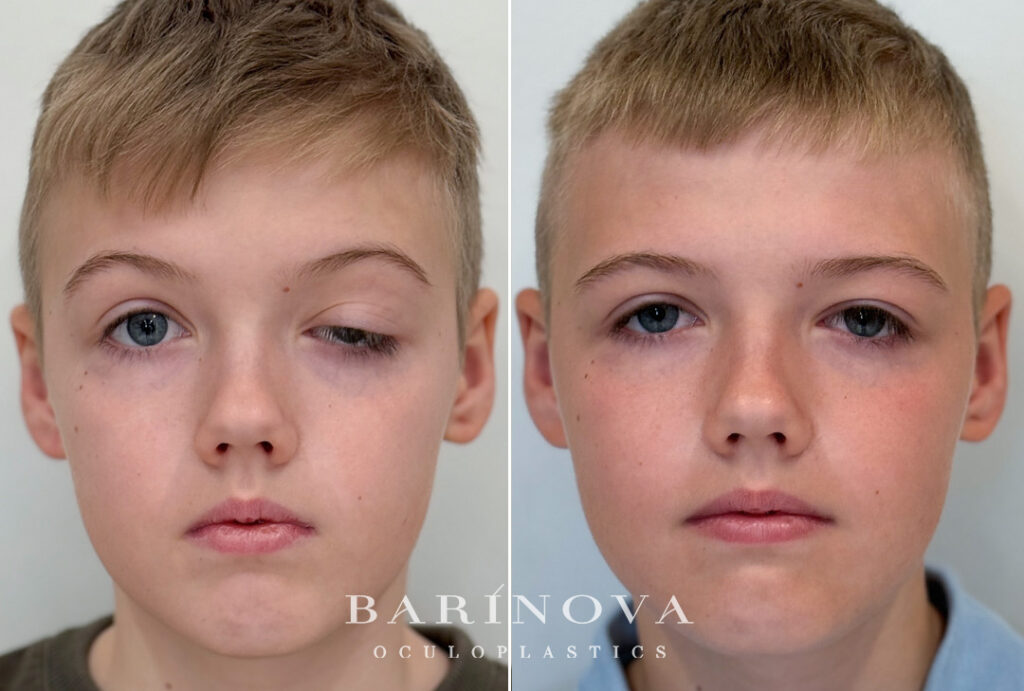
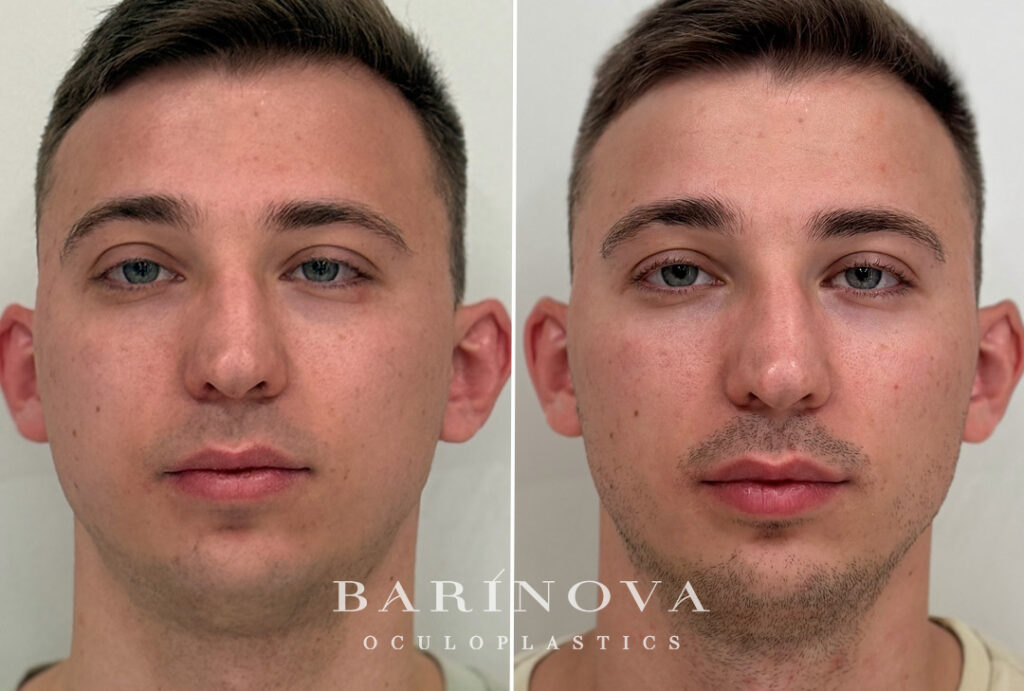
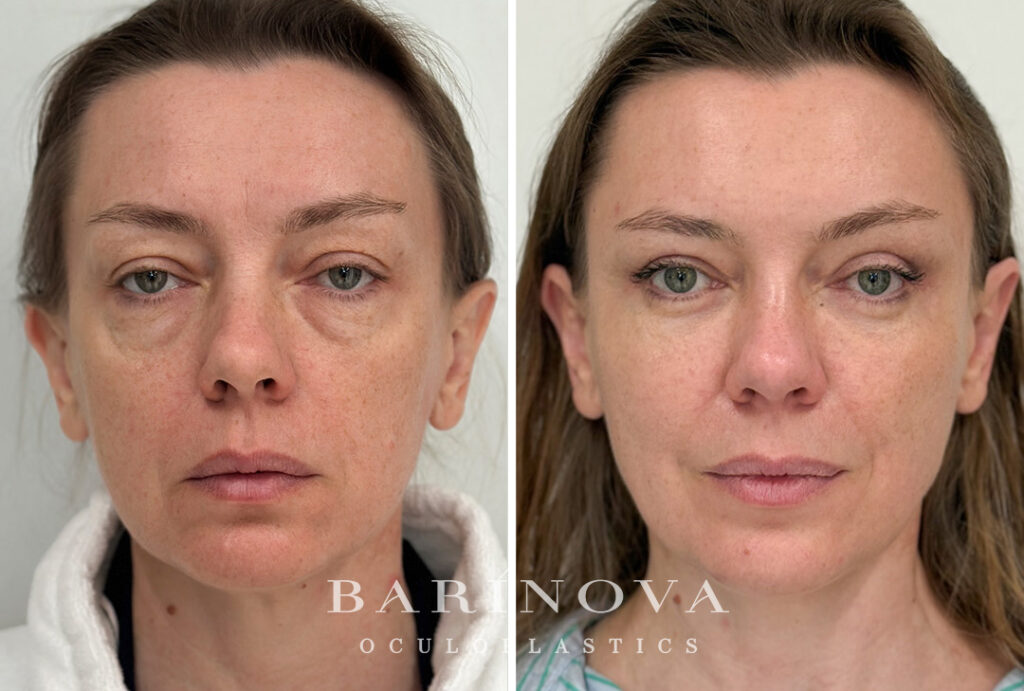
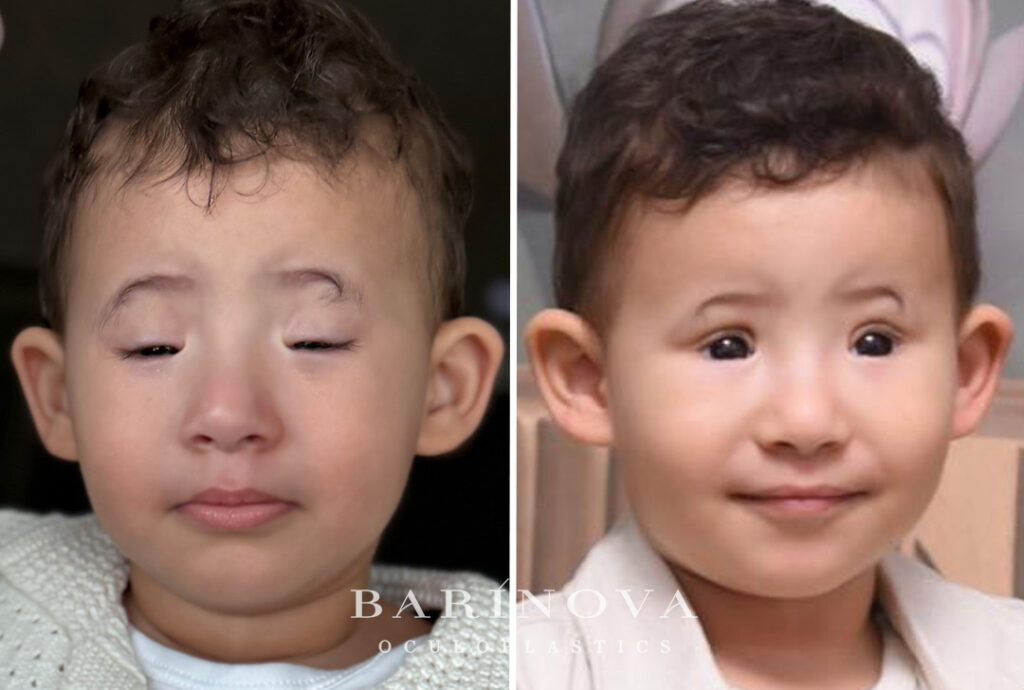
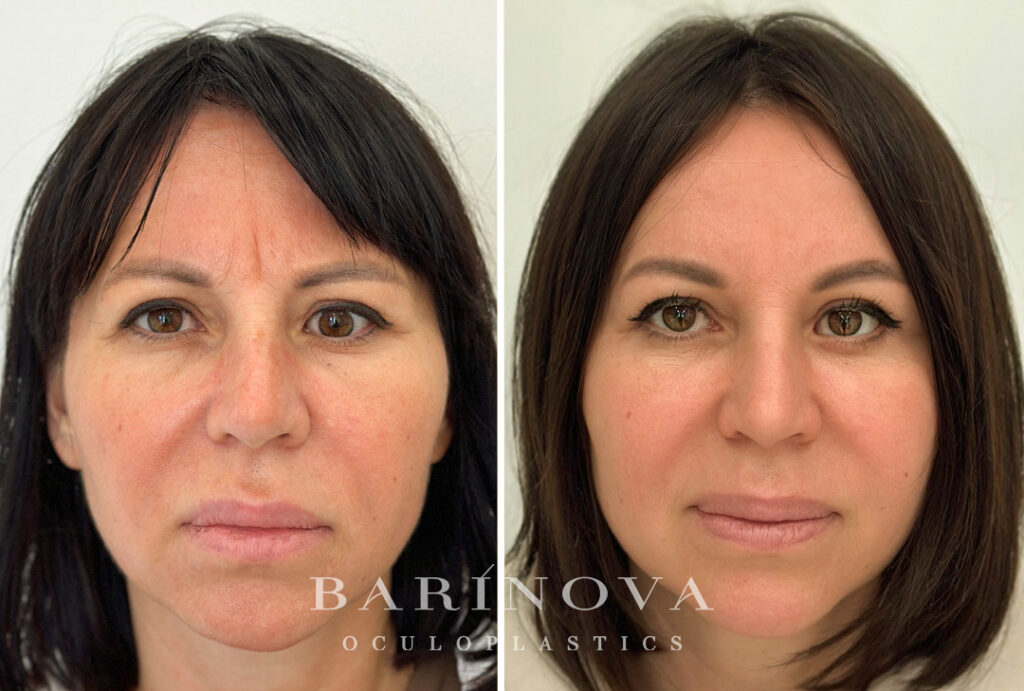
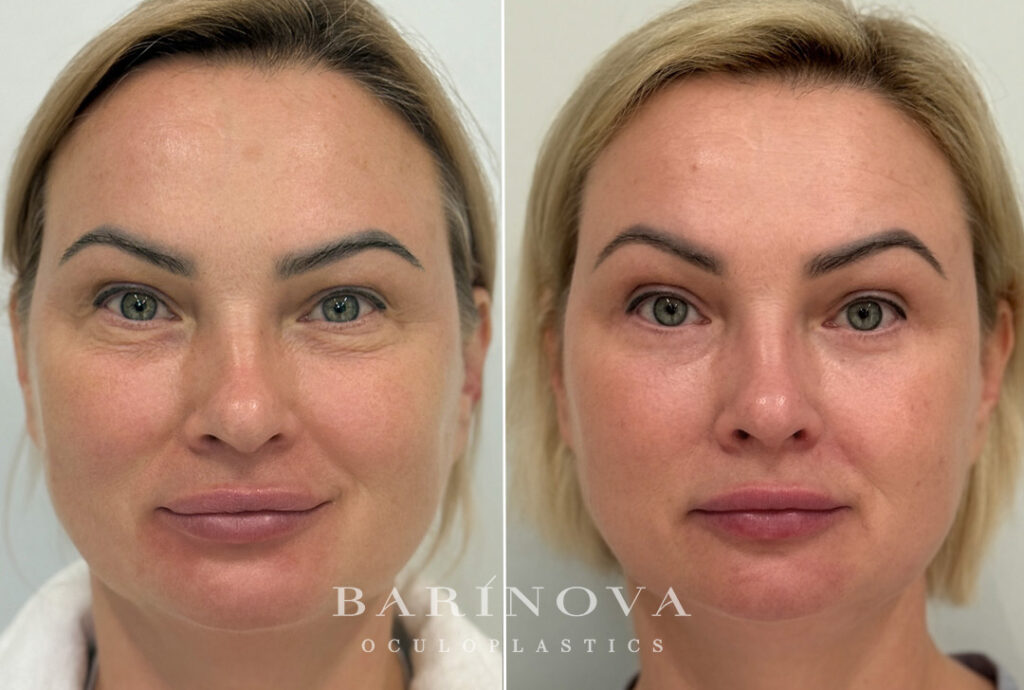
Before/after results
Circular Blepharoplasty
-
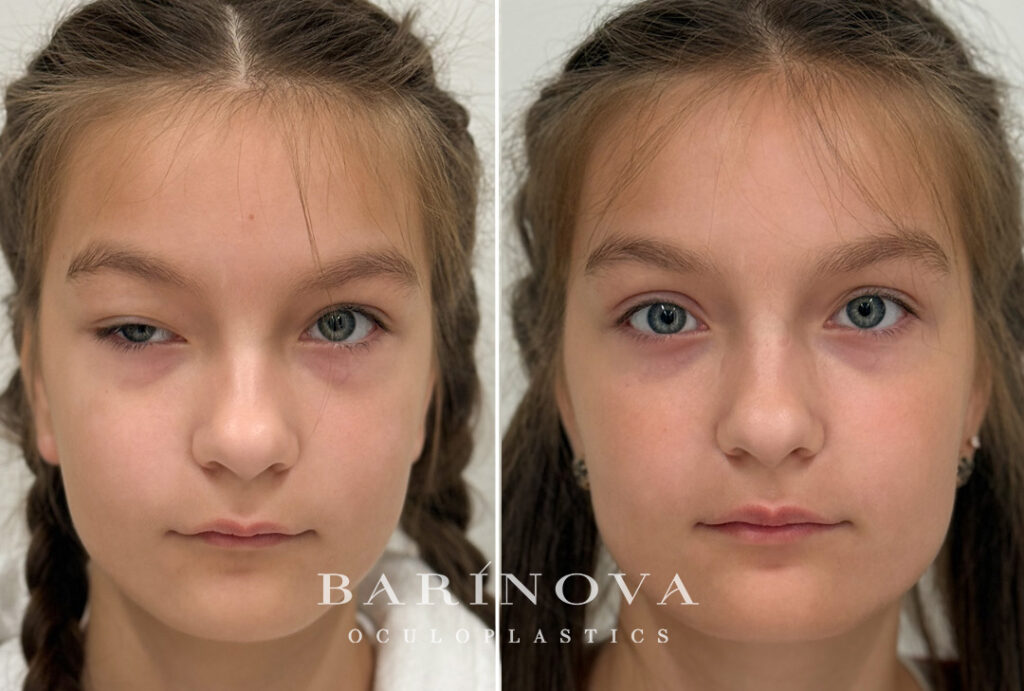
Upper Eyelid Ptosis Correction in a Teenager
-
Strabismus Surgery
-
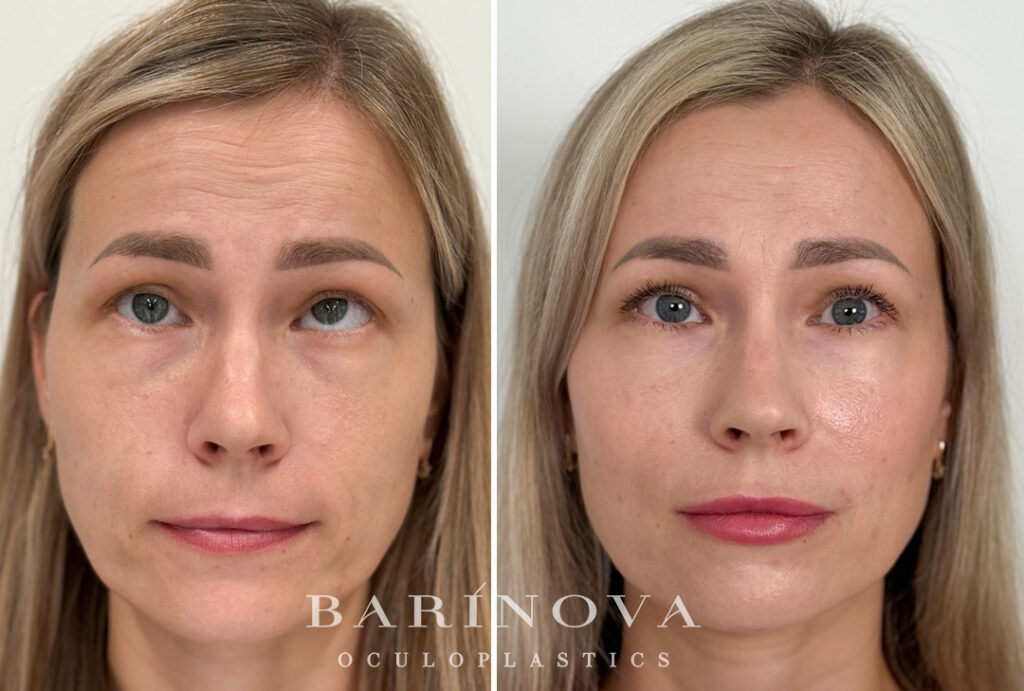
Upper and Lower Eyelid Surgery
-
Ptosis Correction in Blepharophimosis Syndrome (BPES)
-
Eyelid Retraction Repair, Canthoplasty and Strabismus Surgery
-
Lower Blepharoplasty
-
Upper Eyelid Ptosis Correction in a Girl
-
Strabismus Surgery and Orbital Fat Grafting
-
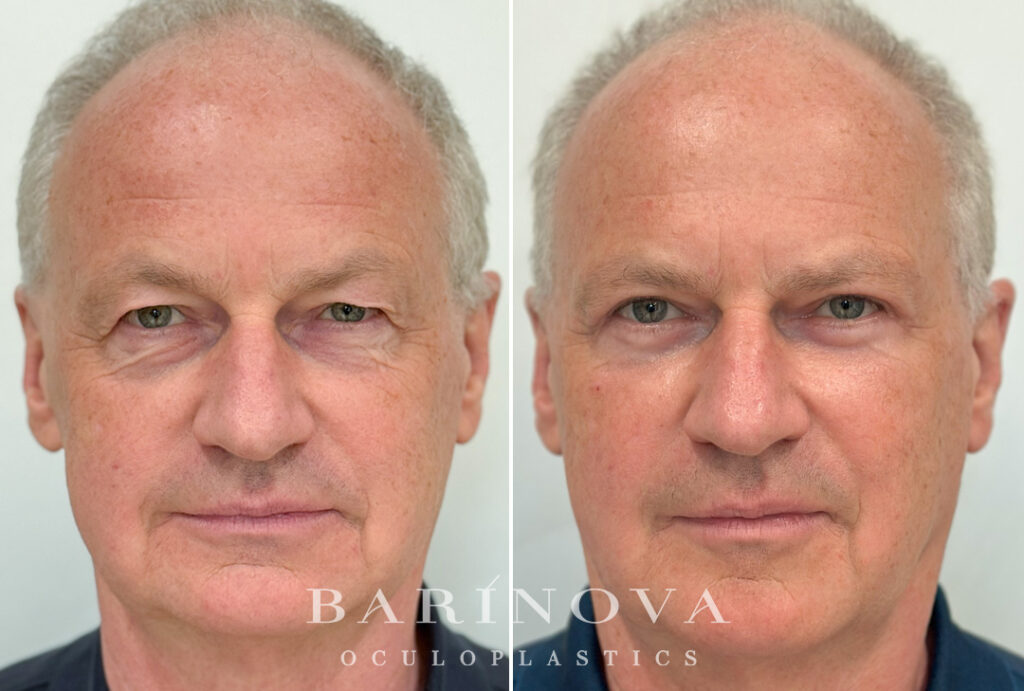
Male Blepharoplasty
-
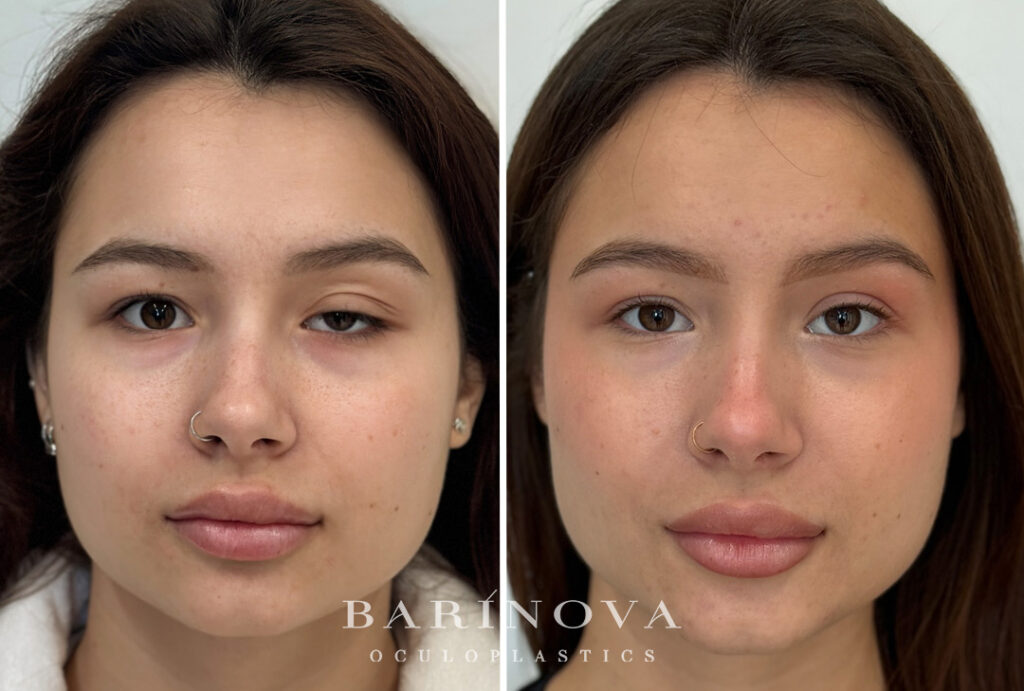
Ptosis Correction in a Young Patient
-
Canthoplasty
-
Facial Fat Grafting
-
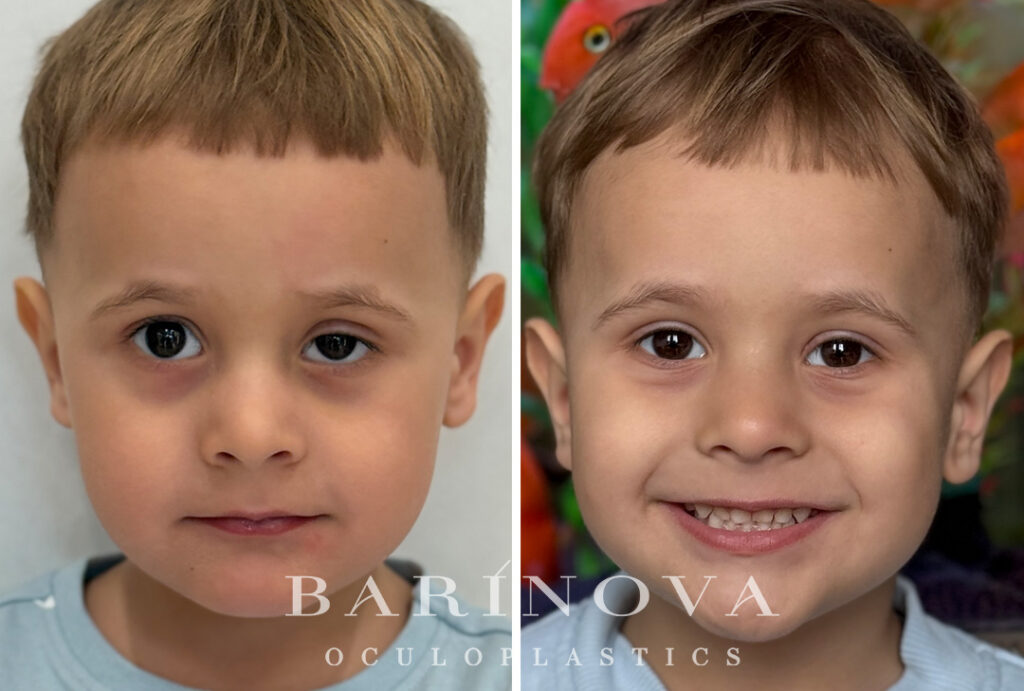
Ptosis Correction in a Toddler
-
Upper Eyelid Ptosis Correction in an Adult Patient
-
Ptosis Correction in a Child
-
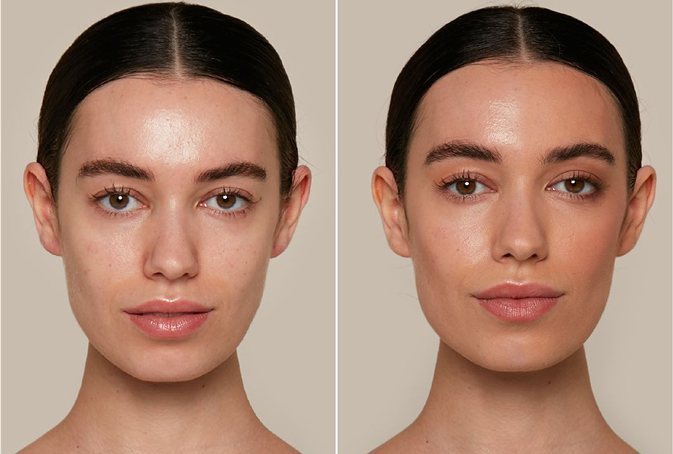
Blepharoplasty with a Natural Result
-
Lower Blepharoplasty + Fat Grafting
-
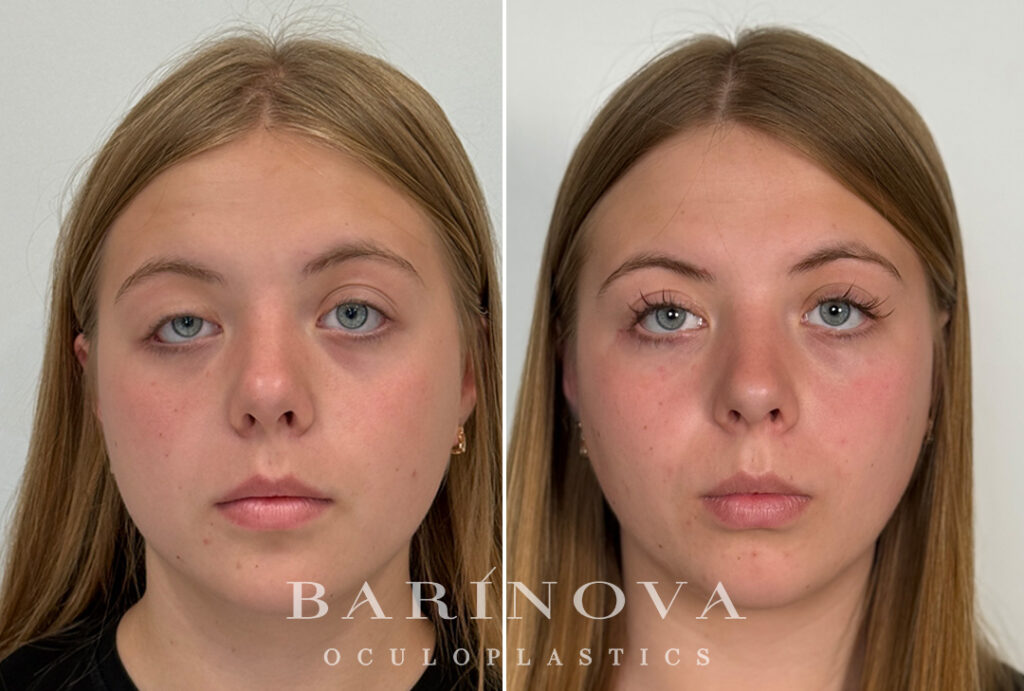
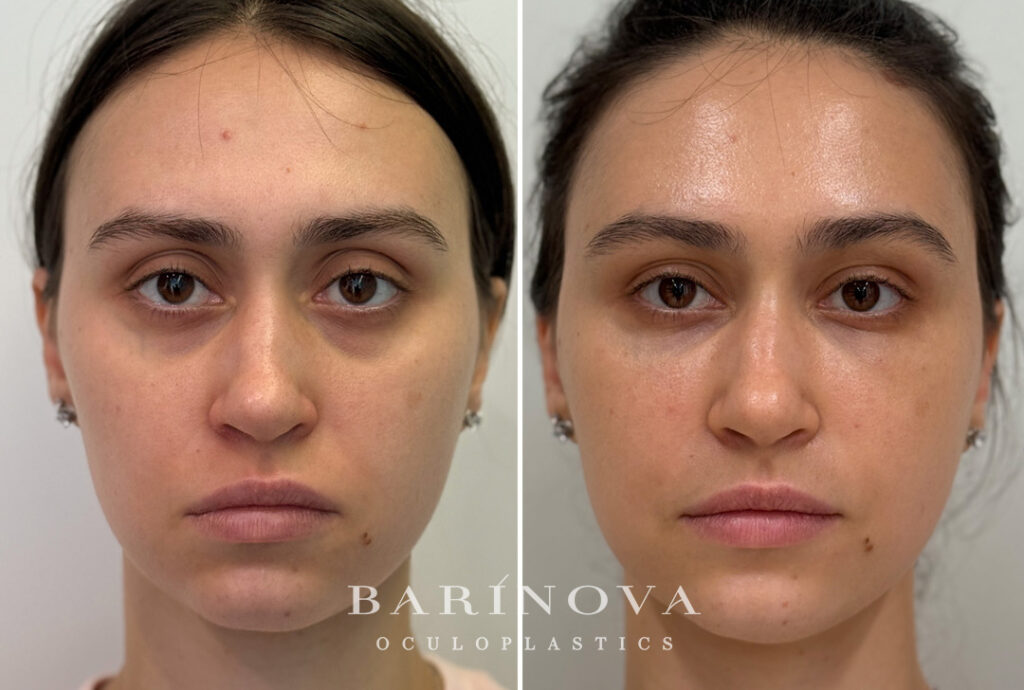
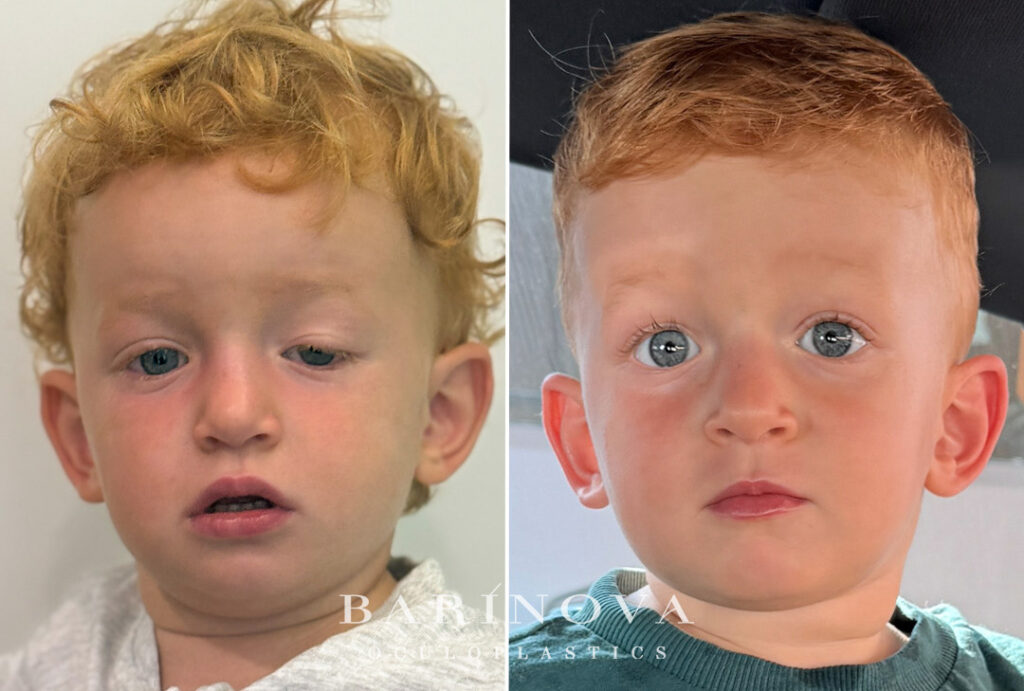
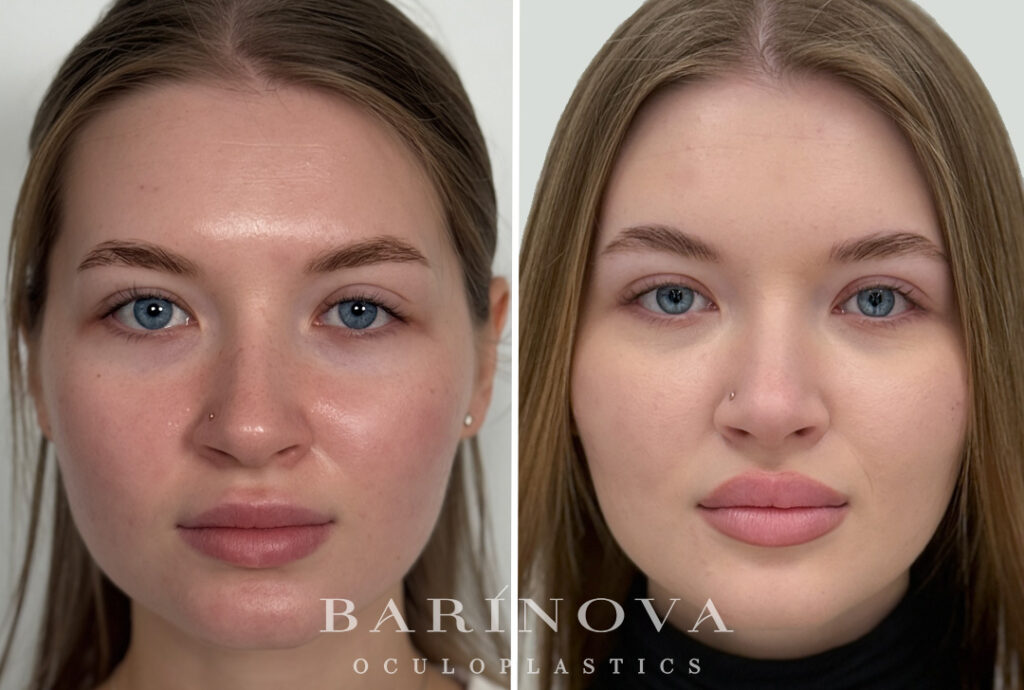

Make an appointment
Reviews from our patients
Blog
Useful materials about eye health, modern ophthalmology, oculoplastic surgery and cosmetology.
Questions and answers
What services does your clinic provide?
We specialize in oculoplastic surgery, ophthalmology, aesthetic procedures and modern vision diagnostics.
Is there an ideal age for blepharoplasty?
No. Blepharoplasty is performed based on indications, anatomy and how the patient feels, not on age. I have performed blepharoplasty on patients as young as 15 - for example, in cases of pronounced anatomical features or congenital conditions that significantly affected their appearance and quality of life. After all, a woman should enjoy her reflection in the mirror. And if the problem can be solved with minimally invasive surgery, why not?
What should I look for when choosing a surgeon?
I would advise looking beyond attractive before-and-after photos. It is important to understand whether the surgeon specializes in this particular area, how often they perform these operations, how natural the results look, and whether they work not only with aesthetics but also with function. The eyelid is a very delicate anatomical area where a few millimetres can significantly change the result.
Is loss of fat pads an indication for blepharoplasty, or can surgery be replaced with other procedures?
Not always. Volume loss on its own does not mean surgery is needed. Sometimes the problem can be solved with lipofilling, injectable or device-based treatments. But if there is excess skin, pronounced fat herniation or age-related tissue changes, surgery often gives a more predictable and longer-lasting result. The most important thing is to treat the cause, not the "symptom".
Which blepharoplasty is performed most often - upper, lower or combined?
Upper blepharoplasty is the most common, because the upper eyelids are often the first to create a tired or heavy look. But very often patients need not a single operation but an individual combination of techniques. So there is no universal answer here.
How long does the operation take?
On average, from 30 minutes to 2 hours, depending on the complexity, the extent of the surgery and whether additional procedures are performed.
How long is the recovery?
The main recovery period usually takes about 1-2 weeks. Swelling and bruising fade gradually, while the final maturation of the tissues takes much longer. Even so, most patients return to their social life fairly quickly.
Are there any aftercare recommendations after blepharoplasty?
Yes, and they are very important. In the first days - cold compresses, sleeping with the head elevated, limiting physical activity and strictly following the surgeon's recommendations. But the main rule is simple: post-operative care is part of the result.
How soon can a repeat blepharoplasty be performed?
This is very individual. The tissues usually need to fully heal and stabilize, so we can assess whether a repeat operation is needed only after some time - often months or even years. Repeat blepharoplasty always requires a particularly delicate approach, because working with previously operated tissues is more difficult.