Blepharoplasty
Price list of servicesBlepharoplasty is a surgical correction of the eyelids that removes excess skin, fat pads, and aesthetic imperfections in the periorbital area. The procedure helps eliminate the effect of drooping, a tired look, and restores natural openness to the eyes.
At the same time, blepharoplasty is not an operation to be performed "by age." In each case, the decision is made based on anatomy, indications, tissue condition, eyelid function, and the patient’s own concerns.
At our clinic, surgeries are performed by an experienced oculoplastic surgeon, a candidate of medical sciences with over 20 years of practical experience. A deep knowledge of eye anatomy allows working not only with excess tissue but with the entire periorbital area — its proportions, symmetry, and function.
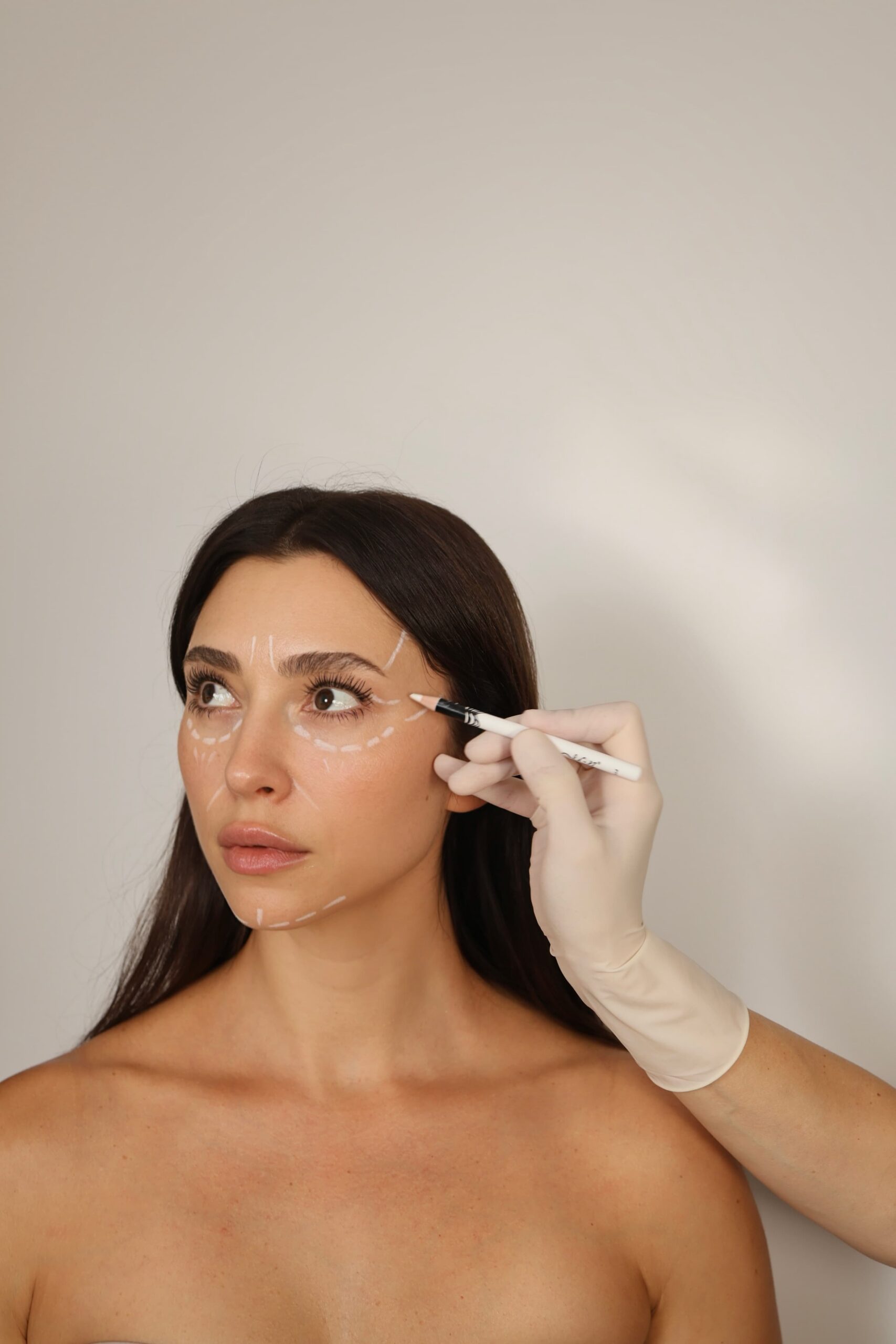
The eyelid is a very delicate anatomical area where a few millimeters can significantly change the result. That is why the final appropriateness of the intervention, its scope, and the technique used are determined by the surgeon during an in-person consultation.
Before/after results
Circular Blepharoplasty
-
Upper and Lower Eyelid Surgery
-
Lower Blepharoplasty
-
Male Blepharoplasty
-
Blepharoplasty with a Natural Result
-
Lower Blepharoplasty + Fat Grafting
-
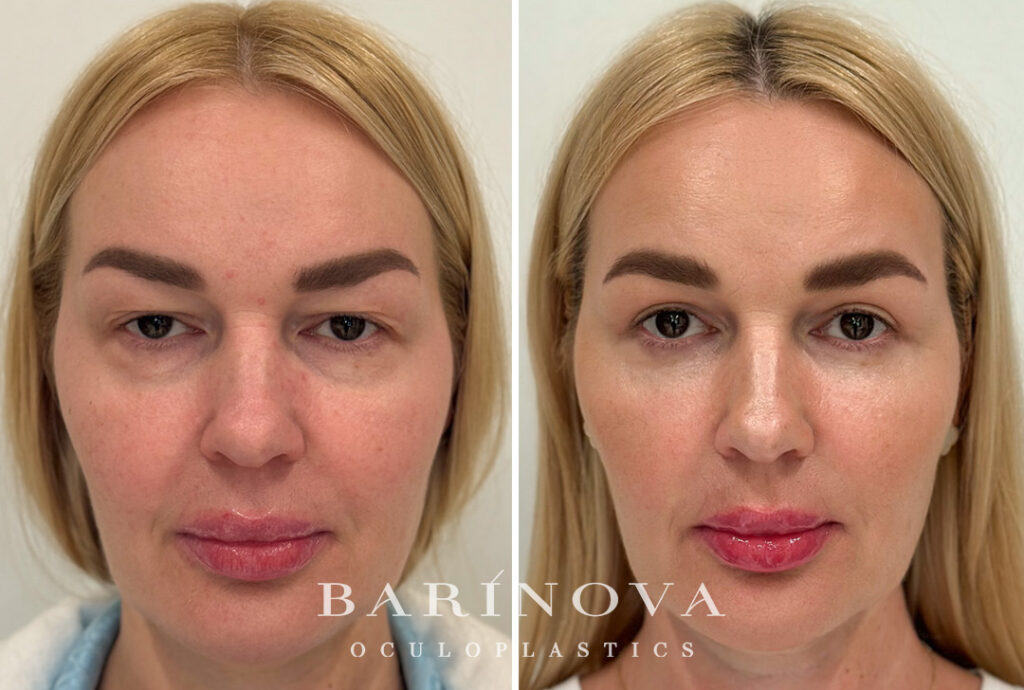

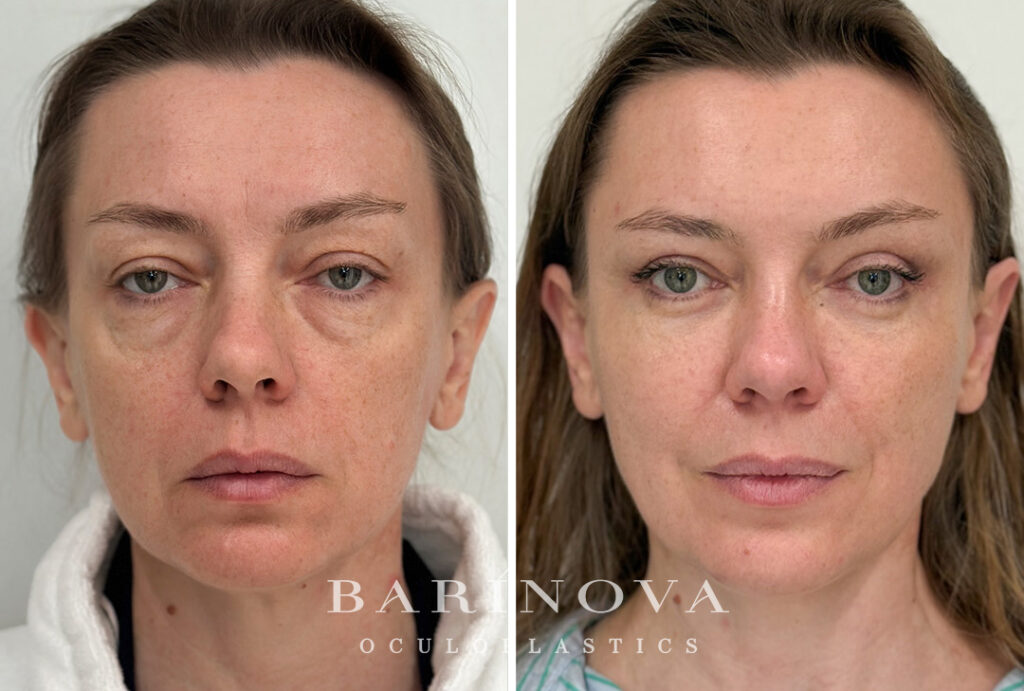
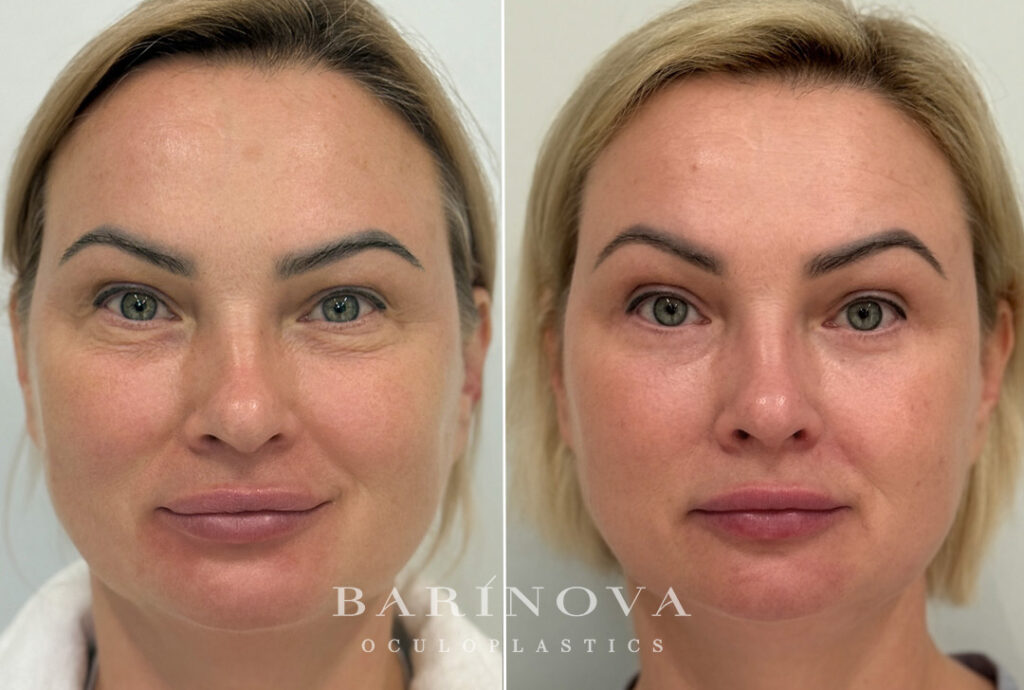
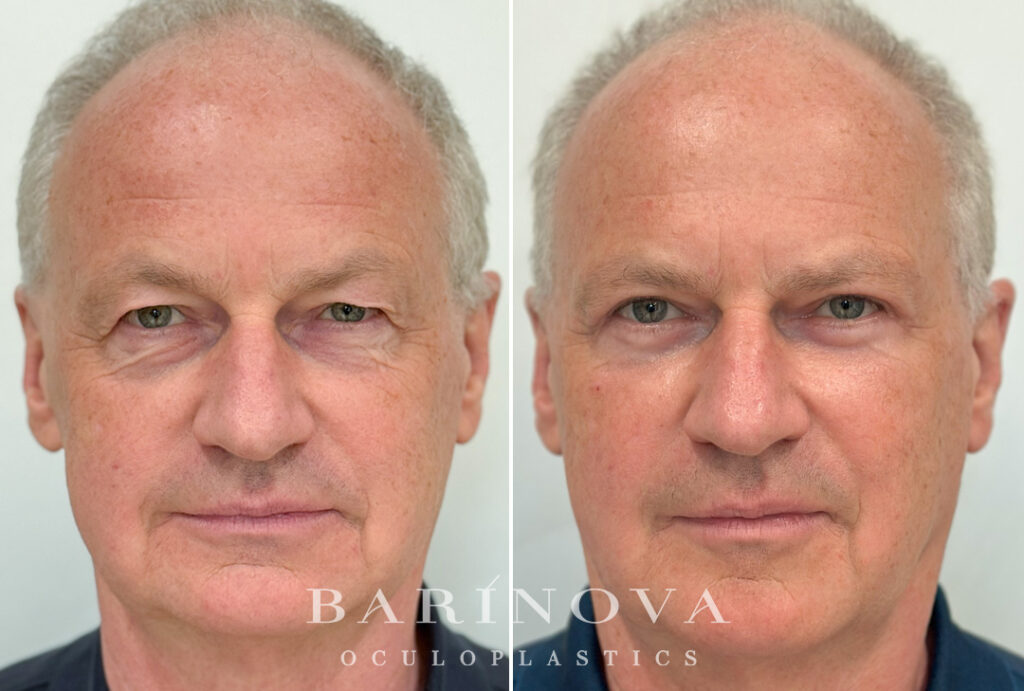
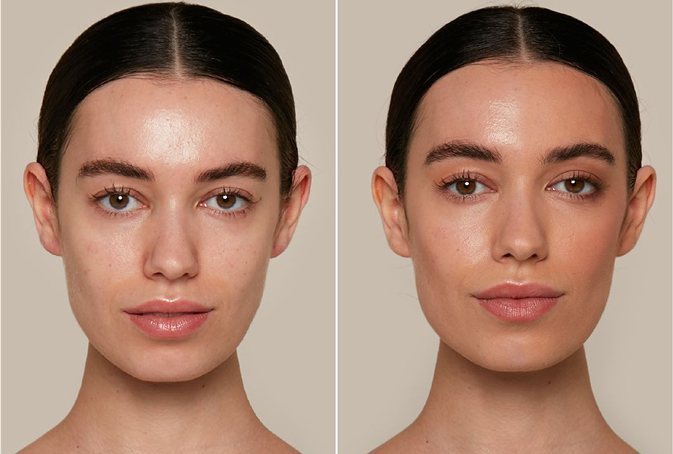

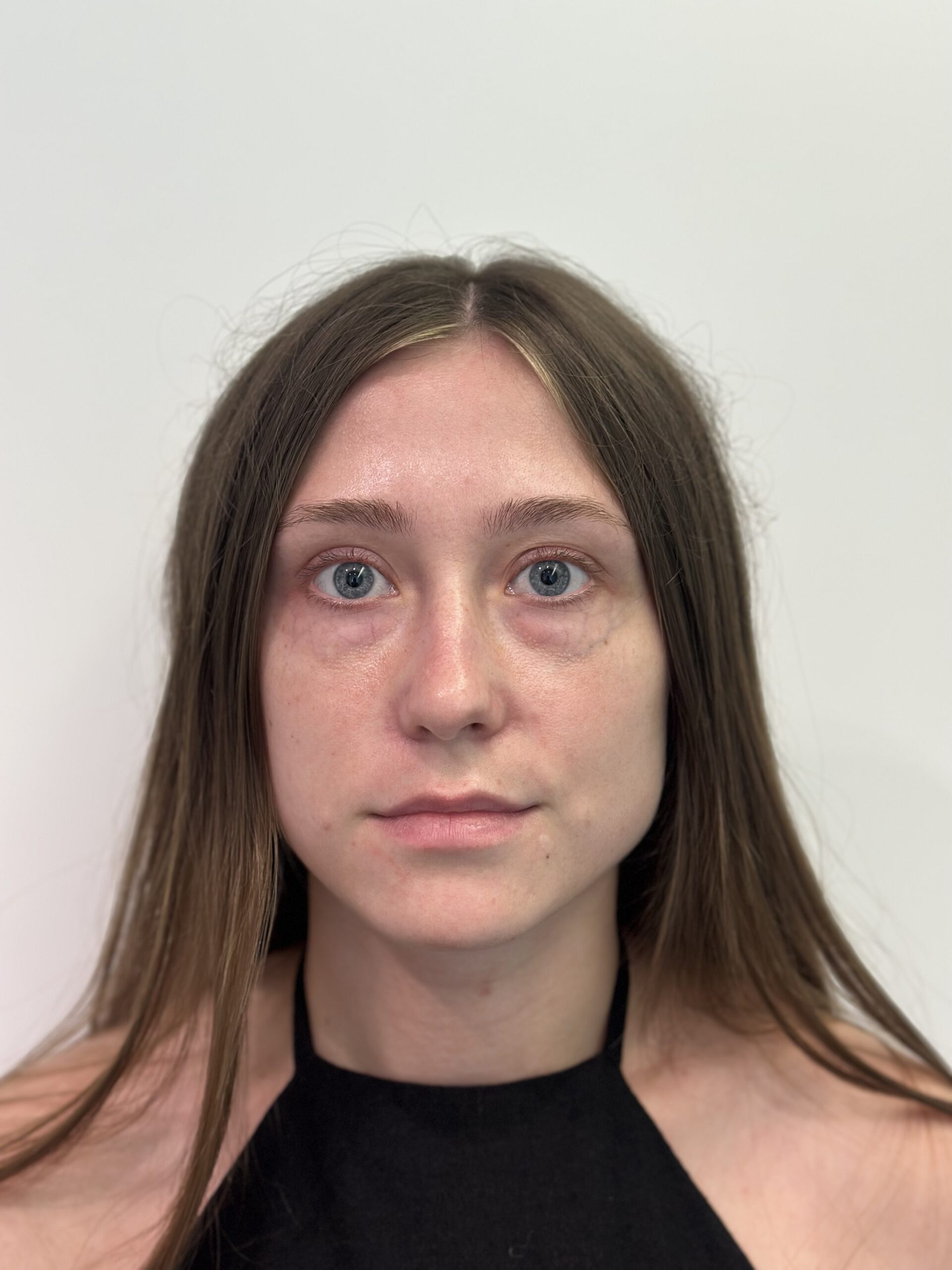
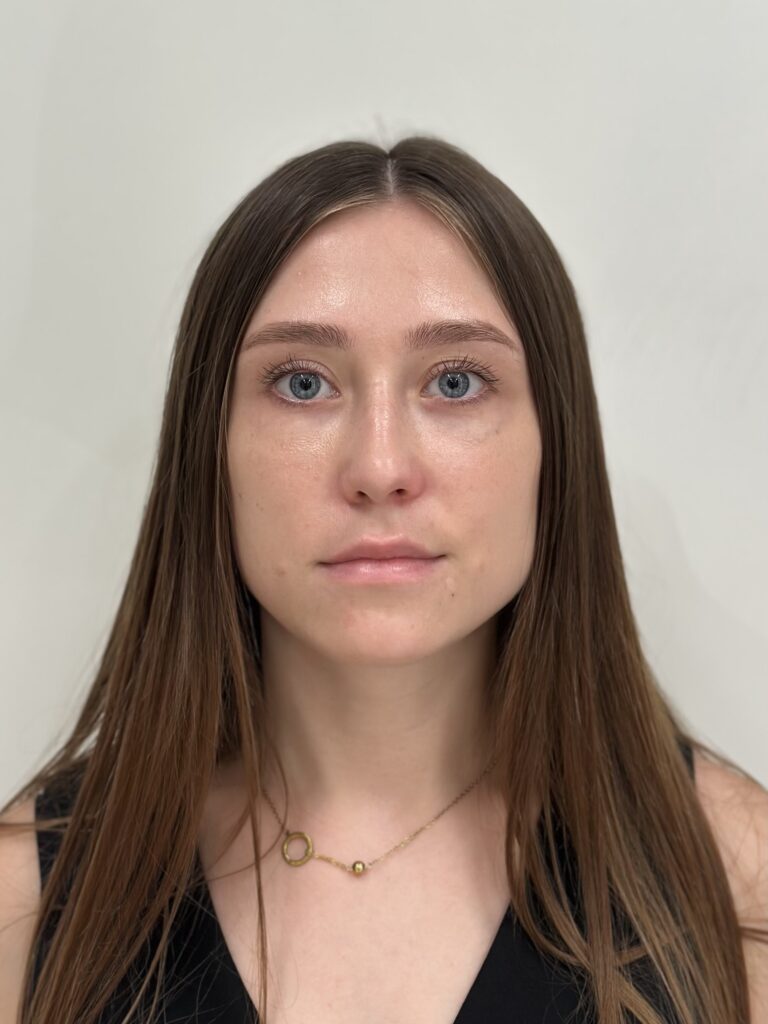

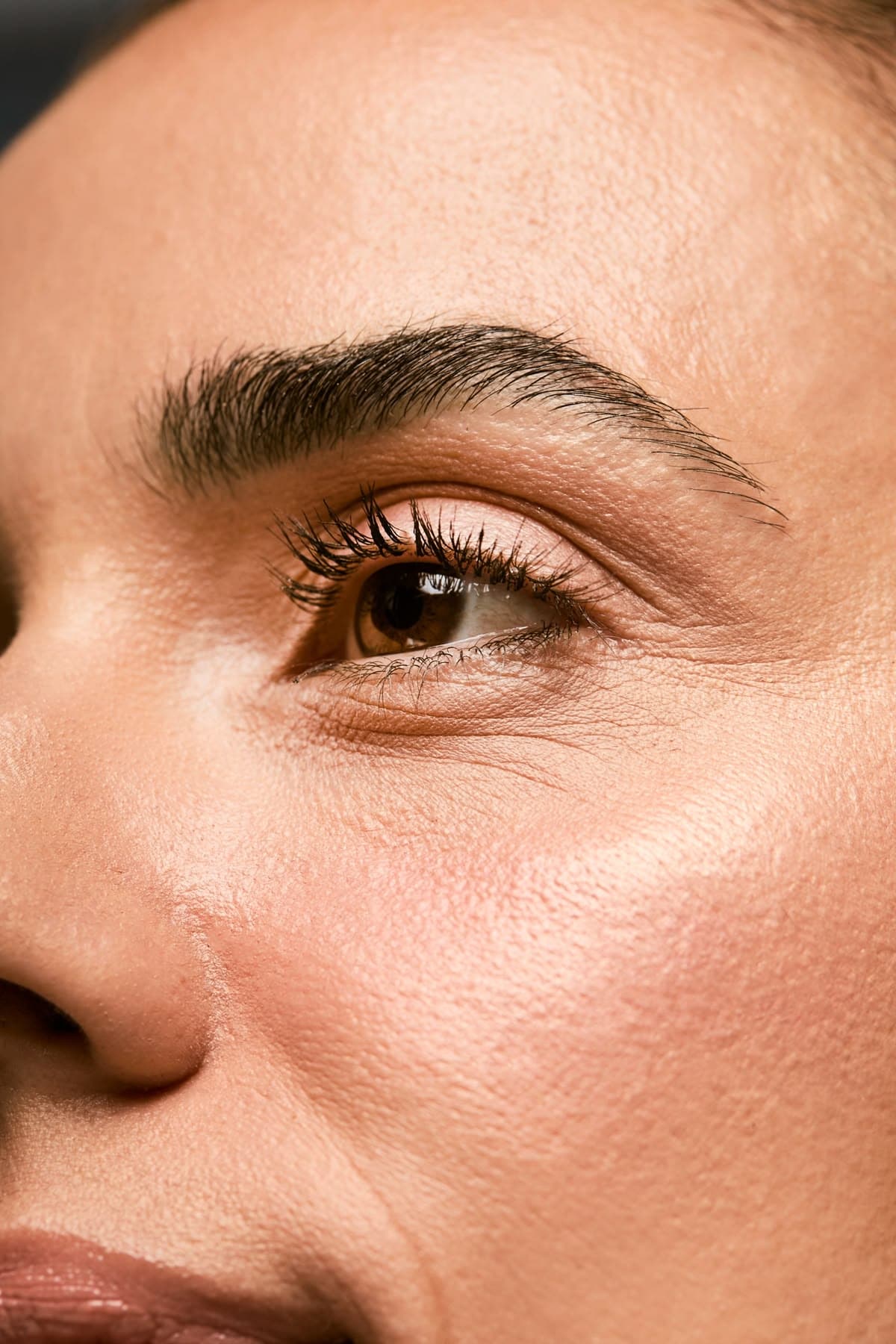
Types of blepharoplasty
The correction method is selected by the surgeon individually based on the patient’s anatomical features, skin condition, eyelid function, and expected outcome. Depending on the treatment area, several main directions are distinguished.
Upper blepharoplasty. Surgical removal of excess skin and fatty tissue in the upper eyelid area. The procedure eliminates the heaviness of the gaze and drooping, which in some cases can not only change appearance but also limit the field of vision. Not every case of upper eyelid drooping requires blepharoplasty specifically — sometimes the cause lies in the position of the eyebrows or ptosis, which calls for a different approach.
Lower blepharoplasty. The operation is aimed at removing under-eye bags, puffiness, and fat pads of the lower eyelid. It helps smooth the contour of the periorbital area and, when indicated, correct the tear trough. In certain cases, redistributing tissue rather than removing it, or combining the operation with fat grafting, is more appropriate.
Circular blepharoplasty. Simultaneous correction of the upper and lower eyelids in a single surgical procedure. It allows comprehensive work with age-related changes and a more harmonious rejuvenation of the periorbital area, often combined with other techniques according to the patient’s anatomy.
Transconjunctival blepharoplasty. A minimally invasive method of removing or redistributing fat pads through a micro-incision on the inner side of the eyelid. Suitable for patients without significant excess skin, as it leaves no external traces.
Revision blepharoplasty. A complex reconstructive procedure to correct the results of previous operations performed at other clinics, or age-related changes after a primary blepharoplasty. Working with already operated tissue is more difficult — altered anatomy, scarring, and tissue deficiency require a more delicate surgical approach.
Indications for blepharoplasty
Blepharoplasty is worth considering if you have any of the following aesthetic or functional concerns:
- pronounced drooping of the upper eyelid skin;
- noticeable fat pads ("bags") under the eyes;
- a tired, gloomy, or heavy look due to anatomical or age-related changes;
- reduced peripheral vision due to the eyelid fold covering the pupil;
- asymmetry of the eye shape or eyelid form;
- deep wrinkles and excess lax skin in the periorbital area.
Please note: eyelid drooping is sometimes confused with upper eyelid ptosis, which requires a different surgical approach. An accurate diagnosis is made by the doctor during examination.
Contraindications
Surgery has a number of limitations. For the patient’s safety, the operation is not performed or is temporarily postponed in the following cases:
- acute infectious and inflammatory diseases of the eyes or eyelids;
- blood clotting disorders or use of systemic anticoagulants;
- decompensated diabetes mellitus and chronic systemic diseases;
- severe retinal pathologies or high intraocular pressure (glaucoma);
- pregnancy and breastfeeding;
- suspicious growths in the treatment area.
The final decision on whether surgery can be performed is made after a consultation and the necessary examination.
How blepharoplasty is performed
The eyelid correction process at our clinic follows a clear and safe protocol:
- Consultation and ophthalmological examination — the doctor assesses tissue condition, eyelid anatomy and symmetry, eyebrow position, discusses the desired outcome, and determines the optimal technique.
- Preoperative diagnostics — a standard set of laboratory tests to rule out contraindications.
- The surgery itself — the procedure takes 30 minutes to 2 hours depending on scope and complexity, performed under local anesthesia or sedation.
- Early postoperative period — after a short rest in the day clinic, the patient returns home the same day with individual recommendations.
Recovery
Recovery after blepharoplasty is relatively fast thanks to microsurgical techniques. The main recovery period usually takes about 2 weeks, although full tissue healing takes several months.
- Suture removal — usually on day 5–7 after the procedure.
- Swelling and bruising — the main signs resolve within 10–14 days.
- Return to normal life — light daily activity is possible within a few days; restrictions on physical exertion and sauna use last about 3–4 weeks.
Postoperative care is part of the result, which is why every patient receives detailed individual recommendations. Individual healing speed depends on the body’s regenerative properties, the scope of the procedure, and adherence to the surgeon’s recommendations.
Blepharoplasty prices
The final cost of the operation is calculated individually. It depends on the type of procedure chosen, the type of anesthesia, and the complexity of the specific case. The exact estimate is determined after an examination.
Clinic surgeons
Surgeries are performed by oculoplastic surgeon Yana Kolodenska and leading oculoplastic surgeon, candidate of medical sciences with over 20 years of practical experience — Anna Barinova. A deep knowledge of the eye’s microsurgical anatomy allows working with the eyelids not only as an area of aesthetic correction — it is important to preserve their function, eye symmetry, eyebrow position, and overall facial proportions.
Make an appointment
Questions & Answers
At what age can blepharoplasty be performed?
Blepharoplasty should not be tied to a specific age alone. The decision to operate is based on indications, anatomy and how much a particular feature affects the patient’s appearance, eyelid function and quality of life. In most cases adults seek aesthetic correction, but there are situations where surgery may be indicated much earlier.
Will there be visible scars after surgery?
Incisions are made in the natural skin folds (on the upper eyelid) or along the lash line (on the lower eyelid). A few months after surgery the thin scars become practically invisible. With the transconjunctival approach there are no external incisions at all.
Is blepharoplasty painful?
Thanks to modern local anesthesia or sedation, the patient feels no pain during the procedure. Mild discomfort is possible in the first days after surgery and is usually easily controlled with painkillers prescribed by the doctor.
How long do the results of eyelid surgery last?
The effect of a well-performed operation lasts on average 7 to 15 years, depending on age, skin type and lifestyle. The natural ageing process continues, however, so tissues may gradually change over time.
What is the difference between classic lower and transconjunctival blepharoplasty?
Classic lower blepharoplasty involves an external incision below the lashes and allows the surgeon not only to address fat pads but also to correct excess skin if needed. Transconjunctival blepharoplasty is performed through an internal approach and suits patients without significant excess skin.
What should I look for when choosing a surgeon?
Not only before-and-after photos. It is important to understand how specialized the surgeon is in the periorbital area, how often they perform such operations and how carefully they work with anatomical details, taking into account both aesthetics and eyelid function.
Is loss of fat pads always an indication for blepharoplasty?
Not always. Volume loss by itself does not mean surgery is needed. Depending on the situation, it may be enough to remove only excess skin, perform fat grafting or combine several techniques.
Can blepharoplasty be combined with other procedures?
Yes. At our clinic blepharoplasty may be combined with fat grafting or an endoscopic temporal lift. The goal is not to add more procedures but to achieve a harmonious result.
How soon can revision blepharoplasty be performed?
The tissues need to heal and stabilize completely, so the need for a repeat operation can be assessed only after some time: at least six months, preferably a year.